
Appointment reminder texts
Cut missed appointments with a timely text the day before, sent automatically at the time you choose.
Read more
Customers mostly want to know what is happening. Proactive text updates on repairs, queries and applications answer that question before they pick up the phone.
A large share of calls into any customer service team are progress chasers: is my repair booked, has my application been received, when will the engineer arrive? Each call takes time to answer and often ends with a promise to call back, which creates more work. Customers left waiting feel ignored, even when the work is progressing well. Email updates are easily missed. Sending a short text at key points, such as when a case is opened, scheduled or resolved, keeps customers informed, reduces inbound calls and lets your team focus on the cases that genuinely need a conversation.

List the moments where customers most often call to chase, such as case received, engineer booked, parts ordered and job complete. Each one is an opportunity for a proactive text that saves a phone call. Your call logs will usually show which stages generate the most chasers.
Write a template for each update point, with your business name, a reference, the key fact and a contact number. Consistent templates help the whole team give the same clear information, whoever handles the case, and make training new team members far simpler.
Each day, export customers whose cases have changed status and send the relevant update to them, or schedule updates for a set time. An approved sender ID with your name builds trust and stops messages being mistaken for spam or phishing.
Use reports to track how many updates you send and compare that with your inbound call volumes. Check delivery information where available and correct failed numbers so future updates reach every customer. Over time, this shows clearly how much time proactive updates are saving your team.
Cut missed appointments with a timely text the day before, sent automatically at the time you choose.
Read more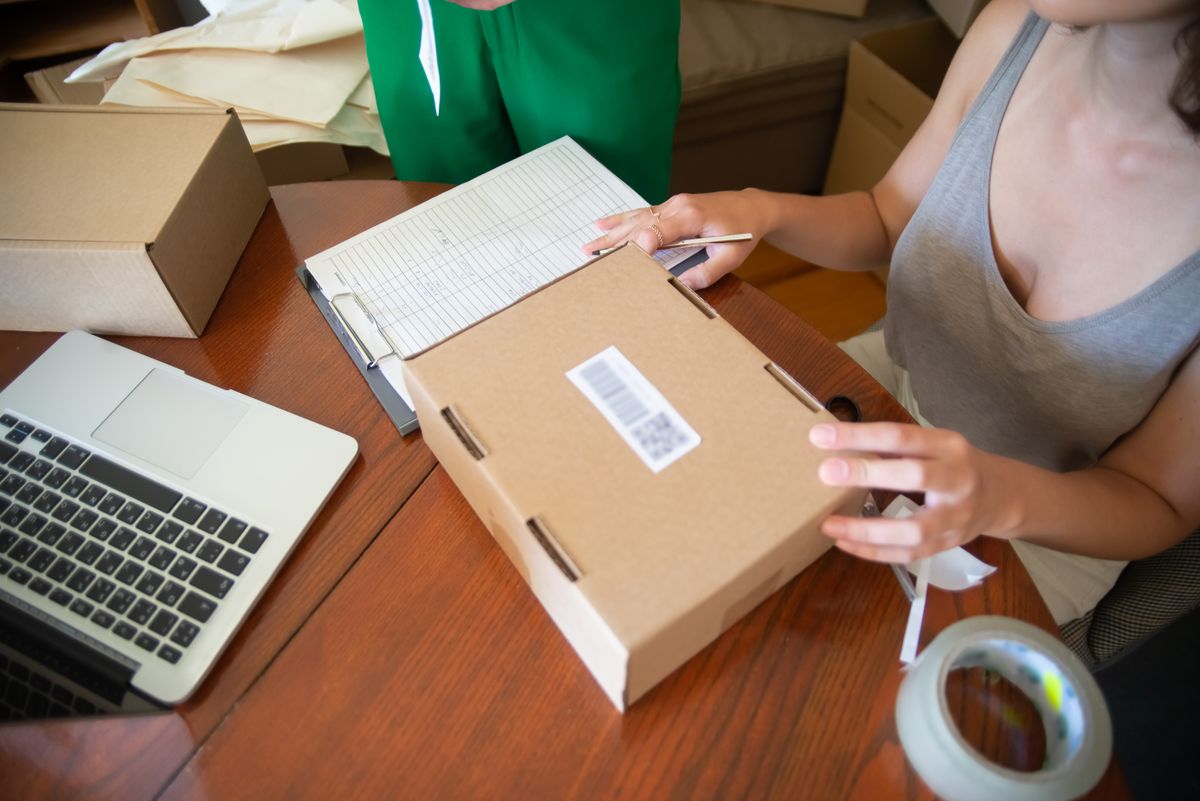
Keep customers informed from order to doorstep and cut the where-is-my-order calls.
Read more
Promote offers, events and new stock to customers who have chosen to hear from you.
Read more